


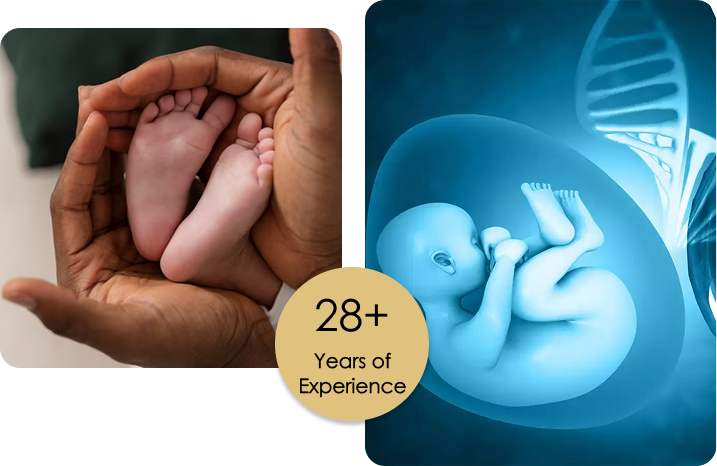
Matritava’s Donor Egg IVF Facility For Family Planning

All hope is not lost if you’ve been trying to conceive a baby without much success. With Matritava’s flourishing Donor Egg IVF services, you can welcome a little one into your home soon!

Years of Experience
0 +
High Success Rate
0 %
Successful Deliveries
0 K
Surrogate Journeys
0 +

What Is Matritava’s Donor Eggs IVF Facility

Your Dream, Our Support, A New Beginning. Embrace the possibility of starting your family with a frozen donor egg from Matritava’s high-tech facility.

At Matritava, our Donor Eggs IVF program is a beacon of hope for those dreaming of parenthood. We understand that every family’s journey is unique, and sometimes a little extra help is needed. Our program connects you with compassionate egg donors and provides advanced IVF care in a nurturing environment. With state-of-the-art technology and a team that genuinely cares, we’re here to guide you every step of the way. Your dream of holding your baby is valid and beautiful, and we’re honored to help make it a reality. Let’s create your family story together-with heart, hope, and unwavering support.

What Are The Steps In Donor Eggs IVF?

Starting your dream family with Matritava’s advanced Donor Eggs IVF facility is easier than you think

Consultation & Planning

Meet our team to discuss your goals and create a personalized plan.

Donor Matching

We match you with a compassionate donor whose profile aligns with your preferences.

Egg Retrieval & Fertilization

The donor’s eggs are retrieved and fertilized with sperm in our lab.

Embryo Transfer

A simple procedure places the embryo in your uterus, providing it with a home to grow.

Pregnancy Test & Support

After two weeks, a test confirms pregnancy, and we continue to support you throughout your journey.

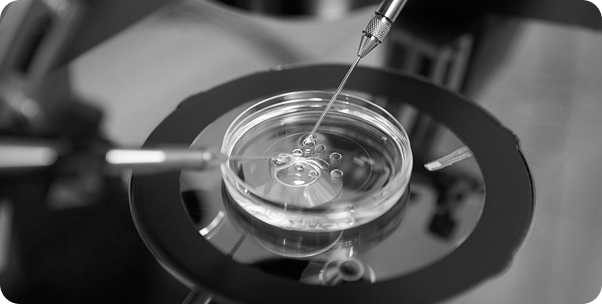
Should You Consider Donor Egg IVF?

You can be a good fit for Matritava’s Donor Eggs IVF programme if you meet any of these criteria:

  • Women with Low Ovarian Reserve: If your egg count is low, this can help.
  • Genetic Concerns: For those with hereditary conditions, it is advisable to avoid.
  • Multiple IVF Failures: When previous attempts haven’t been successful.
  • Menopausal or Post-Menopausal: Offering a chance to carry a child still.
  • Same-Sex Male Couples: To build their family with a donor egg and surrogate.
  • Anyone Dreaming of Parenthood: When your eggs aren’t an option, this is a beautiful alternative.

Why Choose Matritava?

With our comprehensive database of donors and their reserve of high-quality, well-preserved eggs, you’ll join hands with qualified specialists as dedicated as you in starting your family.

  • Comprehensive donor screening for mental, physical, and overall health
  • No hidden charges
  • Access to only the best-quality eggs
  • 100% confidentiality
  • Quick and easy access, whenever you’re ready

Real Stories, Trusted Care

Hear how Matritava has empowered people to take control of their reproductive health with compassion, clarity, and confidence.

We struggled with infertility for almost a decade, and when we turned to donor eggs, we were scared and uncertain. However, the process ultimately proved empowering. The doctors, counselors, and coordinators provided us with emotional and medical support. Our baby boy is now six months old, and every smile, every cuddle reminds us that biology doesn’t define a family-connection does. I carried him, birthed him, and love him with all my heart. Choosing donor egg IVF was the best decision we ever made, and we encourage others to embrace it with courage and hope.

-Shalini R.

Frequently Asked Questions

How much is a donor egg for IVF?

The cost of IVF using donor eggs varies depending on the location, clinic, and whether fresh or frozen eggs are used. This also includes:

  • Donor compensation
  • Egg retrieval
  • IVF lab work
  • Embryo transfer
  • Medications
  • Travel or legal fees

Frozen donor eggs may be a more affordable option. Some clinics offer egg-sharing or donor egg bank options that can reduce costs while maintaining high success rates.

IVF with donor eggs tends to have higher success rates than standard IVF, especially for women over 35 or those with low ovarian reserve. This is because egg donors are typically young and healthy, which enhances embryo quality and increases the chances of implantation. 


Success rates vary between 50% and 75% per cycle, depending on the clinic and individual health factors. Frozen donor eggs may slightly reduce success rates compared to fresh eggs, but Matritava reports comparable outcomes. For many women, donor egg IVF significantly increases the chances of conception and a healthy pregnancy.

Yes, you can undergo IVF with donor eggs, especially if your eggs are not viable due to age, medical conditions, or prior IVF failures. The process involves selecting a donor (anonymous or known), retrieving her eggs, fertilizing them with sperm (partner’s or donor’s), and transferring the resulting embryo into your uterus. This allows many women, including those in menopause or with premature ovarian failure, to experience pregnancy and childbirth. Most clinics offer counseling and legal support to help patients navigate the emotional and ethical aspects of using donor eggs.

Yes, you are still considered the biological mother in many meaningful ways. While the child’s genetic material comes from the egg donor, you carry the baby, nurture it during pregnancy, and give birth. Studies also show that the mother’s body influences the baby’s development through epigenetics-how your body affects gene expression. You form the emotional and physical bond of a parent from the earliest stages of development. In most legal and medical contexts, you are recognized as the child’s biological mother, even without a genetic link.

Using donor eggs can be life-changing, but it comes with a few challenges:


  • Emotional adjustment: Some struggle with the lack of a genetic link to the baby.
  • Cost factor: Donor egg IVF is often more expensive than traditional in vitro fertilization (IVF).
  • Availability: Finding a suitable, willing donor may take time.
  • Legal/ethical issues: Rights and anonymity must be addressed.
  • Disclosure dilemmas: Deciding whether and how to tell the child can be tough.
  • Medical risks: There’s a slightly higher risk of pregnancy complications.

Despite these, many families find joy and fulfillment through donor egg IVF.

It’s possible, but not guaranteed. Since the baby inherits genetic traits from the egg donor, physical resemblance to you may vary. However, using a donor with a similar ethnic background, features, and physical traits increases the chances. Many parents also find that children mirror their expressions, habits, and mannerisms from the shared environment and upbringing. Emotional closeness and daily bonding often outweigh any physical differences. Over time, families often feel and appear more alike due to the deep connection they share, regardless of their genetic similarities.

Weight gain during egg donation is usually minimal and temporary. Some women may experience bloating or mild water retention as a side effect of hormone injections used to stimulate the ovaries. This can cause slight weight fluctuation, but it’s not fat gain and resolves after the procedure. Healthy lifestyle habits and adequate hydration can help alleviate these symptoms. Long-term weight gain is uncommon. If significant weight changes occur, it’s best to consult your doctor to rule out any complications. Most egg donors return to their normal weight and routine shortly after the donation process is completed.

Many parents choose to tell their child they were conceived with a donor egg, believing that honesty builds trust. Experts recommend age-appropriate disclosure, starting with simple truths early in life, so the child grows up with their story. Research shows that children told early tend to accept the information well and maintain strong family bonds. However, this is a personal decision and should be made with care, sometimes with the help of a counselor. Transparency and emotional readiness often guide families in navigating this critical conversation.

Book an Appointment